Case Study: Noise Pollution from Air Blowers
"Managing noise pollution from air blowers operation, following recommendations discussed between the factory and experts, by relocating the air blowers and managing heat within the soundproof room. This serious problem-solving approach led to the resolution of noise complaints, enabling coexistence with the surrounding community and fostering good community relations."
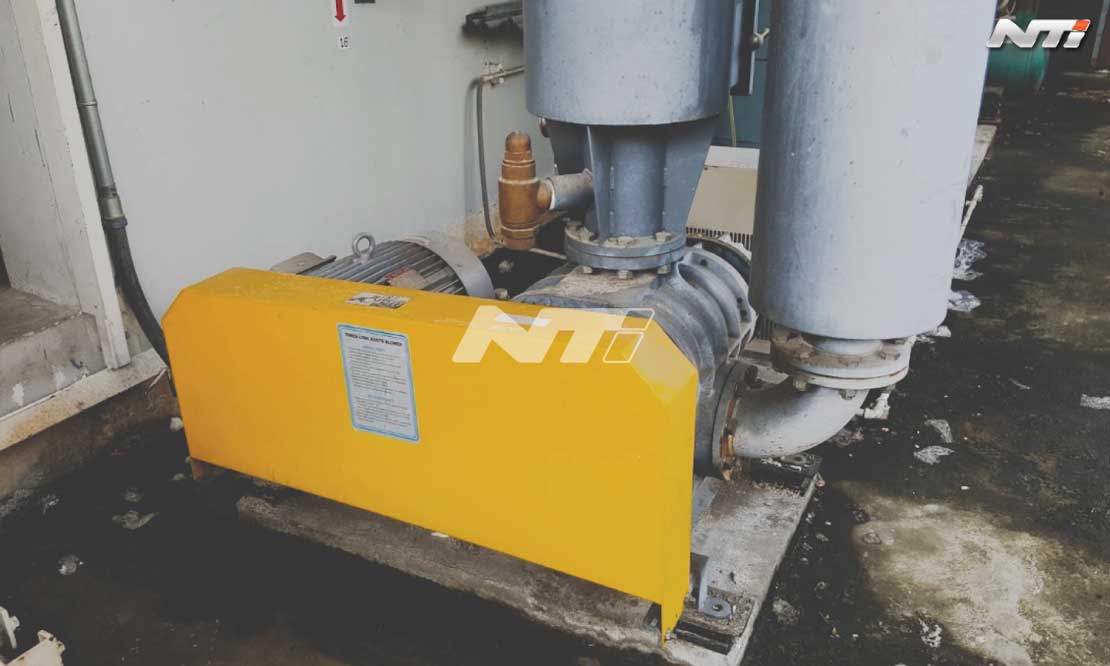
A house at the end of a village lane was affected by disturbing noise from air blowers (root blowers) operating at a paper manufacturing plant located behind the village. The distance between the house and the factory was approximately 30 meters. The factory used two air blowers (root blowers) to increase air volume in the production process. These were high-speed rotor blade models installed on the factory building's wall, causing significant noise pollution due to sound reflection against the wall and the blowers themselves (Reverberation and Direct Sound). This resulted in loud, annoying noise affecting nearby residents.
The noise from the air blowers (root blowers) was partly caused by the high-speed rotation of the blades, as well as air collision and flow, producing mid to low-frequency noise that could penetrate walls and travel long distances. The air blowers operated from 09:00-23:00 on Monday to Saturday, causing disturbance to the residents of the house closest to the paper factory, as they couldn't sleep or live normally.
Eventually, the affected residents filed a complaint with the agency responsible for regulating industrial noise pollution, following these steps:
- Research responsible agencies: Identify agencies overseeing noise pollution, such as local government, provincial industrial office, environmental and pollution control office, environmental health office, or Damrongdhama Center.
- Prepare documents and evidence: Gather necessary information for the complaint:
- Name and address of the noise-generating factory
- Details of the problem, such as disturbance times, noise levels, and characteristics
- Impacts, such as violation of basic rights, lack of work concentration, inability to sleep
- Photos or videos demonstrating the problem
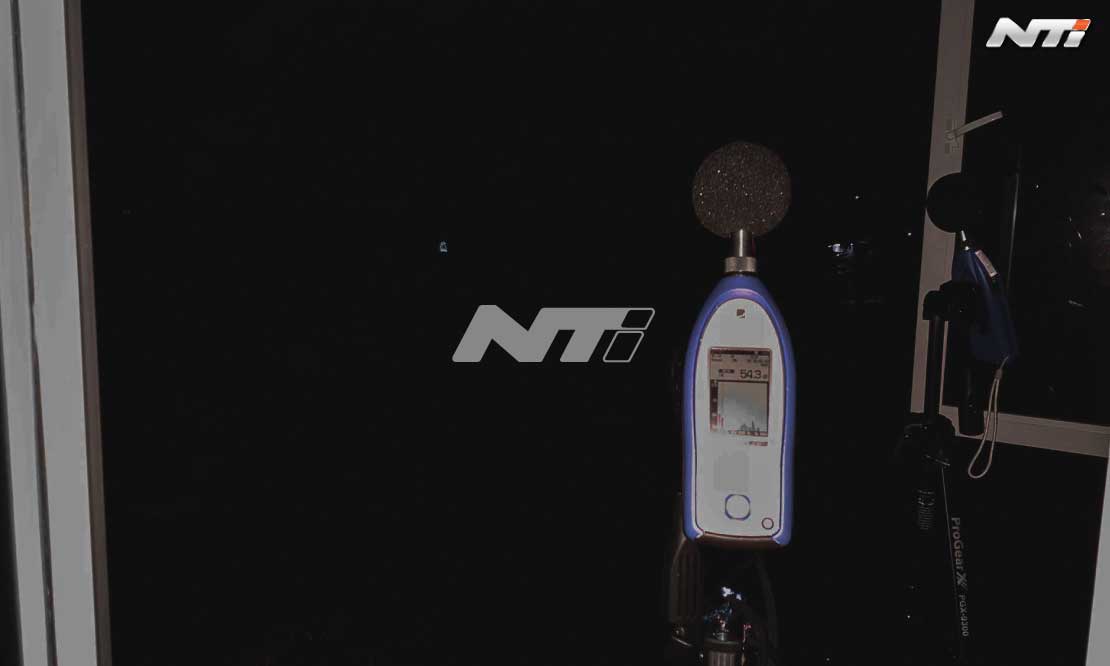
- Noise level measurement results (if available)
- Write the complaint: Create a clear and concise complaint stating:
- Name and address of the complainant
- Details of the problem
- Impacts on the community
- Requests or demands for agency action
- Submit the complaint: File the complaint with the responsible agency through various channels:
- In-person submission at the agency
- Online submission (if available)
- Follow up: After submitting the complaint, regularly follow up on the agency's actions to ensure the reported problem is addressed.
When filing a factory noise complaint, the responsible agency will receive complaints from affected communities or individuals. Officials will inspect and assess the noise impact on the community, comparing it to set standards. If the noise exceeds standards, corrective action must be taken. The responsible agency will order the factory to address the problem. If the factory fails to comply, further legal action may be taken, such as fines or closure orders until the noise source is properly remediated.
After receiving the complaint, provincial industrial officials discussed improvement measures with the paper factory owner, as the disturbance level exceeded 10 dBA. Initially, the factory built a soundproof room to enclose both air blowers. However, this improvement was implemented without considering appropriate engineering measures, leading to heat accumulation issues inside the room housing the air blowers. This affected operational efficiency, and the equipment couldn't function properly. The factory had to keep the room door open while using the air blowers, resulting in the noise problem recurring.
Provincial industrial officials then provided further advice and sought cooperation from the factory again. This time, the factory consulted with NTI's industrial noise control experts. The factory's consultation with experts and implementation of their recommendations by relocating the air blowers and constructing a soundproof room with a heat management system is considered a good and effective method for sustainably solving the blower noise problem. The benefits of following the noise control expert's advice include:
- Relocating the air blowers from the side of the factory to the back allows for appropriate positioning away from residential areas, significantly reducing noise disturbance.
- The heat management system within the soundproof room solves heat accumulation issues, benefiting the longevity of the blowers and other equipment.
- It demonstrates the factory's genuine intention and prioritization of problem-solving by seriously investing in targeted improvements, resulting in the resolution of noise complaints, enabling coexistence with the surrounding community, and fostering good community relations.
Addressing the problem correctly according to academic principles by consulting experts and taking serious action is the key that enabled the factory to manage the noise pollution issue effectively, practically, and without impacting the factory's operations or noise source.