The 7 Key Benefits of Noise Simulation Modeling
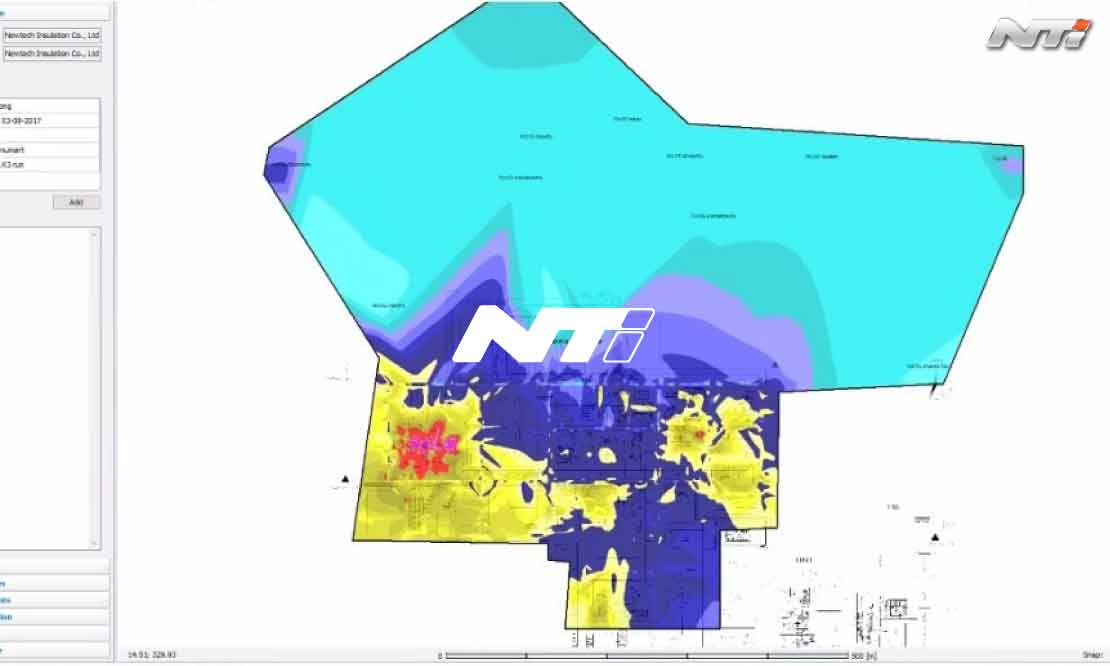
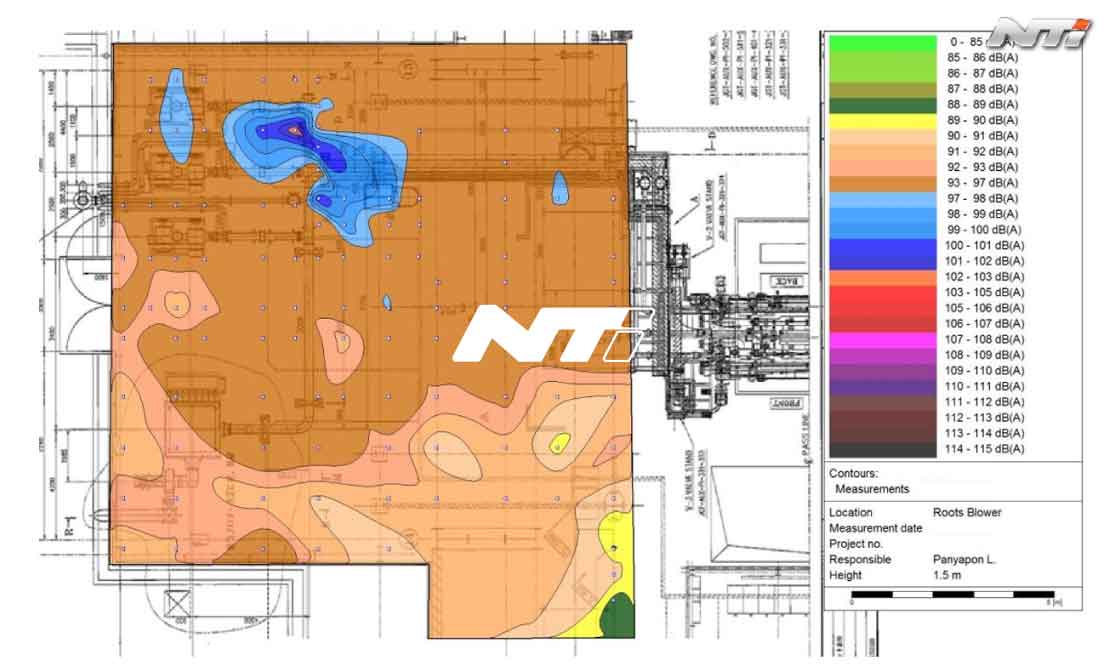
“Noise simulation modeling is a powerful computational process used to simulate and evaluate sound levels in various environments. This technology allows for the analysis of sound waves in both pre- and post-improvement scenarios, utilizing different materials and approaches. It's an invaluable tool for noise management teams and executives seeking comprehensive solutions to noise disturbance issues.”
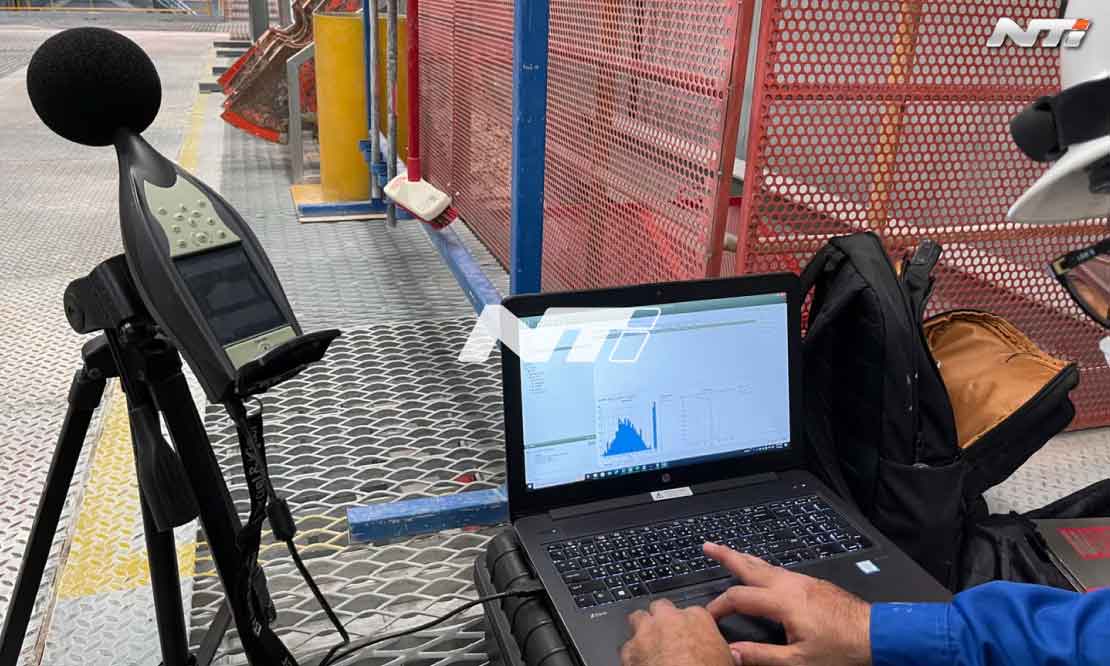
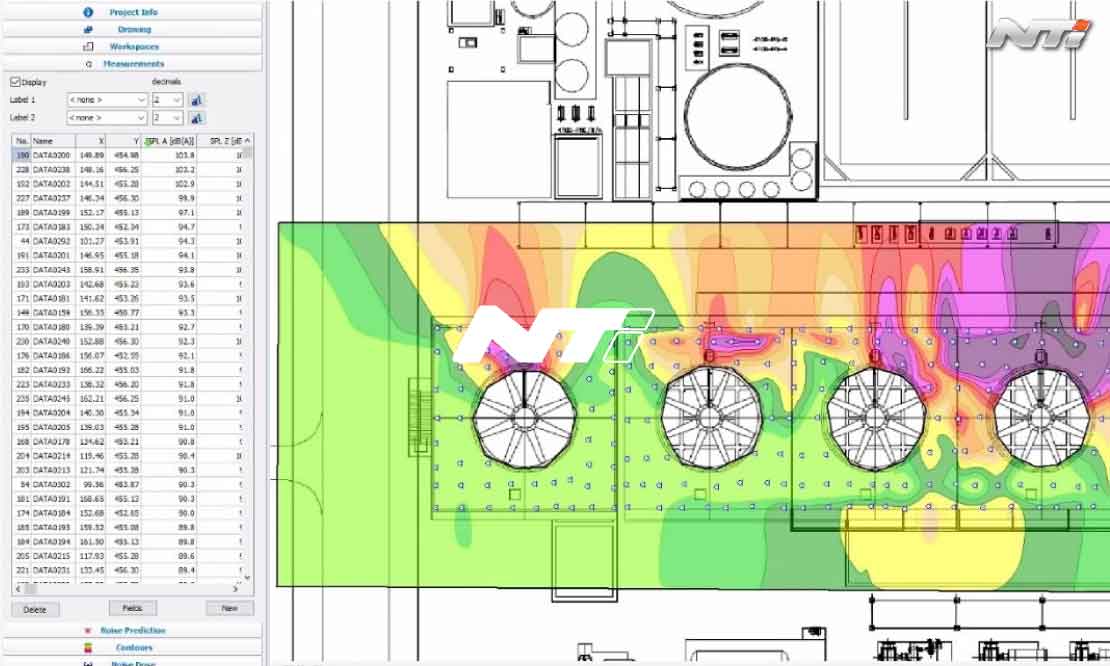
Many may not be aware of the capability to simulate noise levels in various scenarios, such as pre-improvement conditions, partial improvements, or full-scale modifications. Noise simulation involves collecting real-world sound data from the site, inputting it into specialized acoustic software, and then defining various scenarios for the software to analyze.
For instance, consider a factory with five noisy machines at its rear. The software can help simulate scenarios such as enclosing machines one by one or all at once, predicting noise levels at complainants' residences for each case.
Here are the seven key benefits of conducting noise simulation modeling:
1. Enhanced Source Identification Simulation helps pinpoint noise sources more accurately, providing a clearer understanding of the sound's origin.
2. Predictive Capabilities It enables forecasting of post-improvement noise levels, allowing for better planning and expectation management.

3. Improved Communication The visual and data-driven nature of simulations facilitates easier understanding and communication within project teams.
4. Informed Investment Decisions Simulations provide crucial data to determine whether investing in noise reduction systems is justified and cost-effective.
5. Complaint Resolution Assessment It helps evaluate the feasibility of resolving noise-related complaints or issues, setting realistic goals for noise reduction efforts.
6. Detailed Material Specifications Simulations can indicate the types, arrangements, sizes, and costs of materials needed for effective noise reduction.
7. Project Timeline Estimation It assists in estimating construction or improvement timelines, aiding in project planning and resource allocation.