Using Sound-Absorbing Panels in Explosive Dust Environments: Safety Considerations and Best Practices
“In industrial settings where noise reduction is necessary but explosive dust is present, special precautions must be taken when implementing sound-absorbing solutions. This article explores the challenges and best practices for using sound-absorbing panels in potentially hazardous environments.”
1. Understanding Explosive Dust
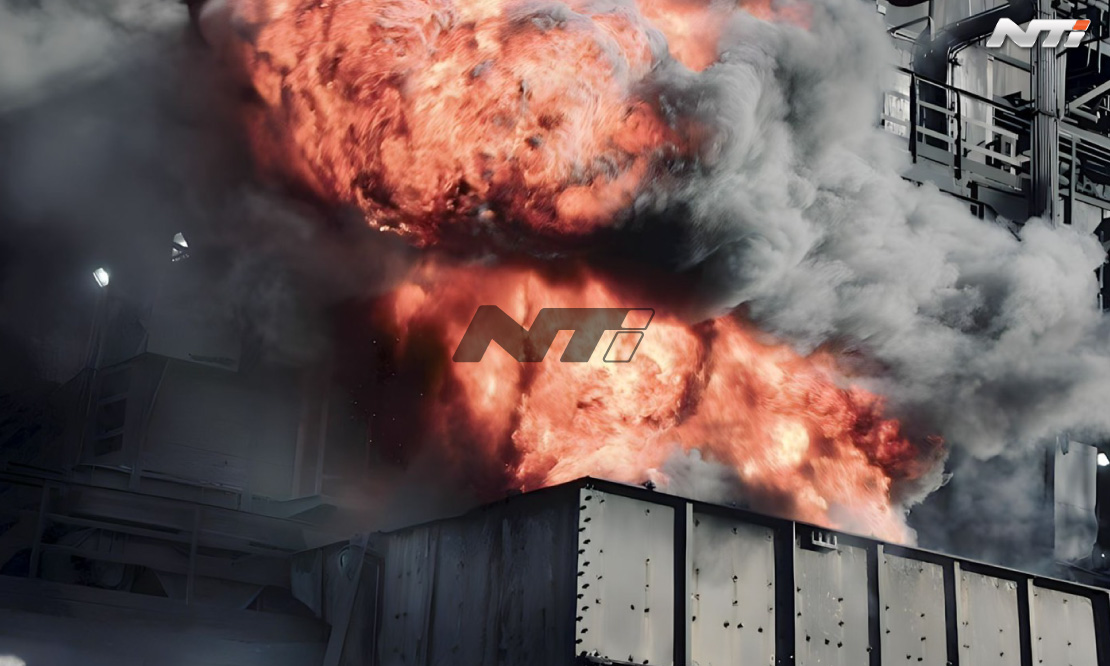
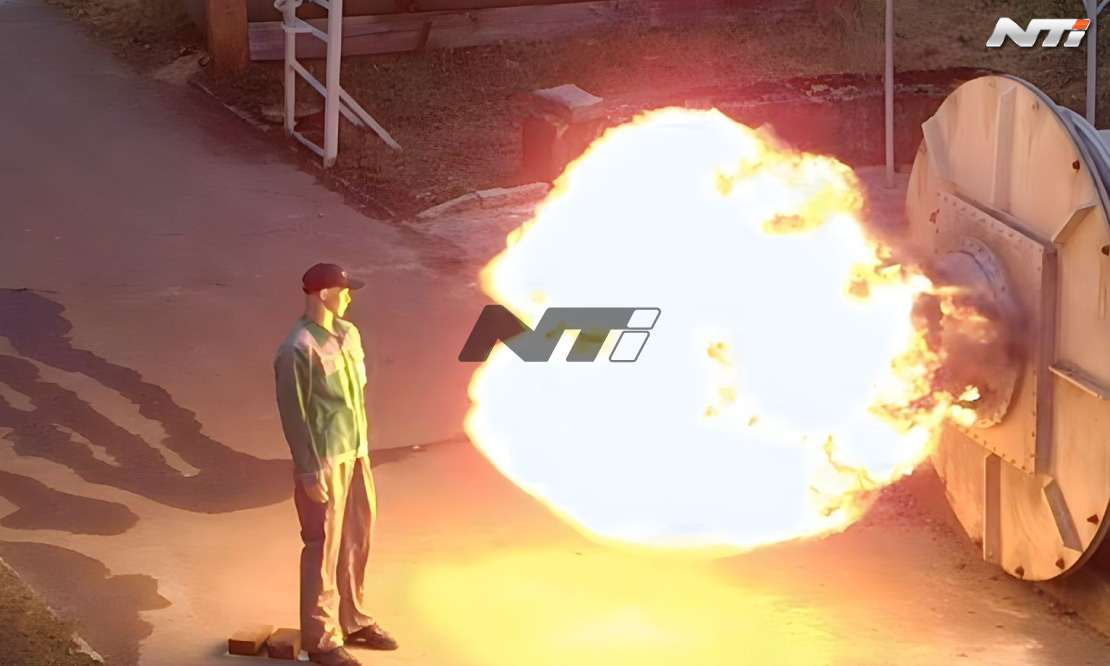
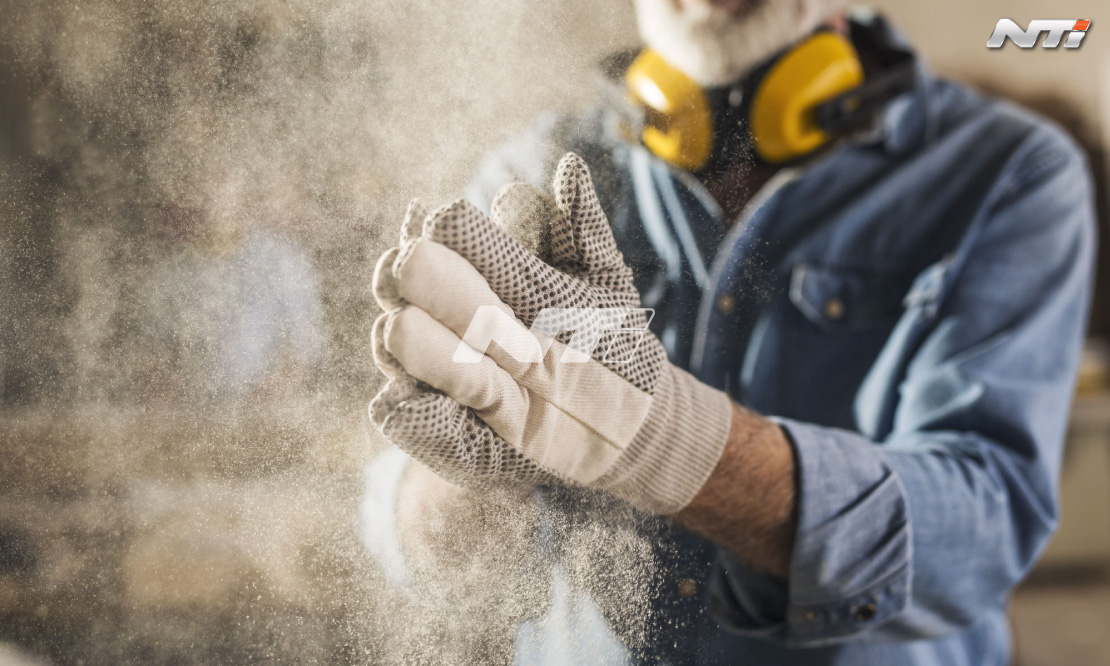
Explosive dust refers to finely divided solid particles that can ignite and fuel an explosion. According to NFPA 654 (National Fire Protection Association Standard for the Prevention of Fire and Dust Explosions from the Manufacturing, Processing, and Handling of Combustible Particulate Solids), explosive dust typically has particles smaller than 420 micrometers and exists in appropriate concentrations.
Examples of explosive dust include: Flour dust,Wood dust,Sugar powder,Plastic dust,Pharmaceutical dust,Coal and coal dust,Carbon dust,Chemical dust,Aluminum, magnesium, and zinc powders
2. Components Required for a Dust Explosion:
Combustible dust,Oxygen,Ignition source,Dust dispersion,Confinement of dust cloud
3. Historical Incidents in Thailand:
Dust explosions have occurred in various industries, including:
Tapioca starch manufacturing plants,Wooden furniture factories,Non-dairy creamer production facilities,Corn drying plants
4. Key Principles for Using Sound-Absorbing Panels in Explosive Dust Areas
4.1 Fire-Resistant Materials Select sound-absorbing panels that are non-flammable and do not contribute to fuel load. Easy-to-Clean Surfaces Cover panel surfaces with materials that are easy to clean and do not accumulate dust.
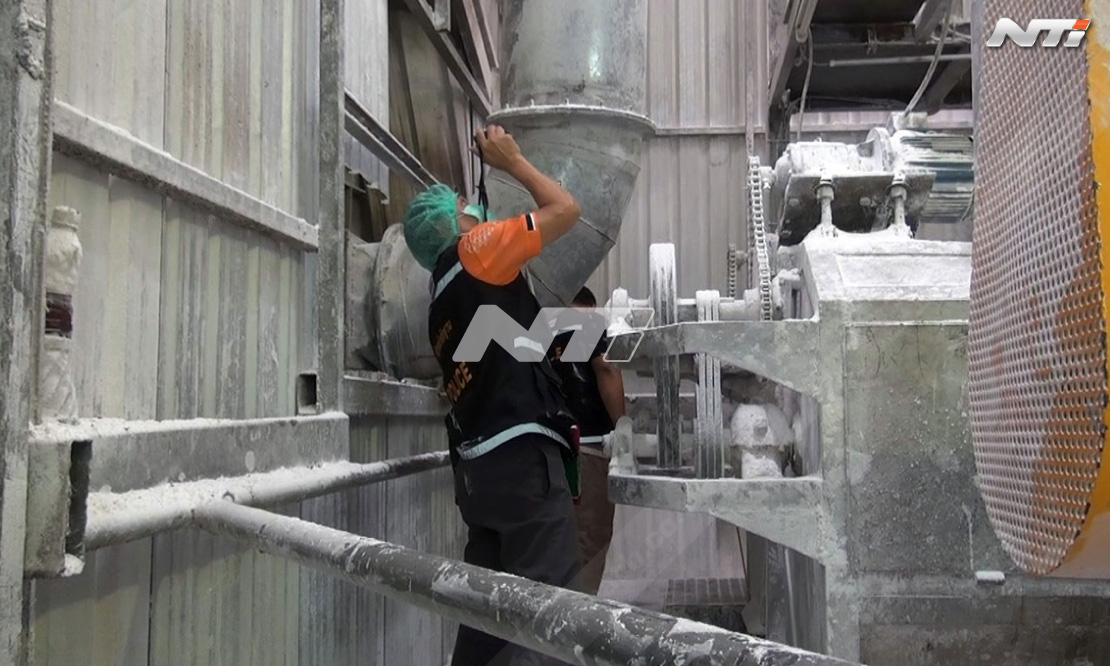
4.2 Regular Cleaning Implement rigorous cleaning protocols to prevent dust accumulation.
4.3 Heat Management Ensure proper ventilation and cooling to prevent heat buildup within the area.
4.5 Maintenance Precautions Avoid maintenance activities that could generate sparks in dust-prone areas.