ห้อง Crusher ทำเอาง่าย...อันตรายกว่าที่คิด
“ห้อง Crusher ทำเอาง่าย...อันตรายกว่าที่คิด การลดเสียงในพื้นที่ห้องบดย่อยวัสดุ (Crusher) ในโรงงานอุตสาหกรรมเป็นปัญหาที่สำคัญเนื่องจากมีผลกระทบต่อสุขภาพของพนักงานที่ทำงานในบริเวณนั้น การเลือกทำห้อง Crusher อย่างง่ายตามความพอใจอาจไม่ใช่วิธีที่เหมาะสม เนื่องจากอาจเป็นอันตรายต่อระบบการได้ยินของพนักงาน ดังนั้น การแก้ไขปัญหาควรพิจารณาในด้านความปลอดภัยทั้งในเรื่องของตัวเครื่องจักรและสุขภาพของพนักงานด้วยเช่นกัน เพื่อให้พนักงานรับสัมผัสเสียงในระดับที่กฎหมายกำหนด”
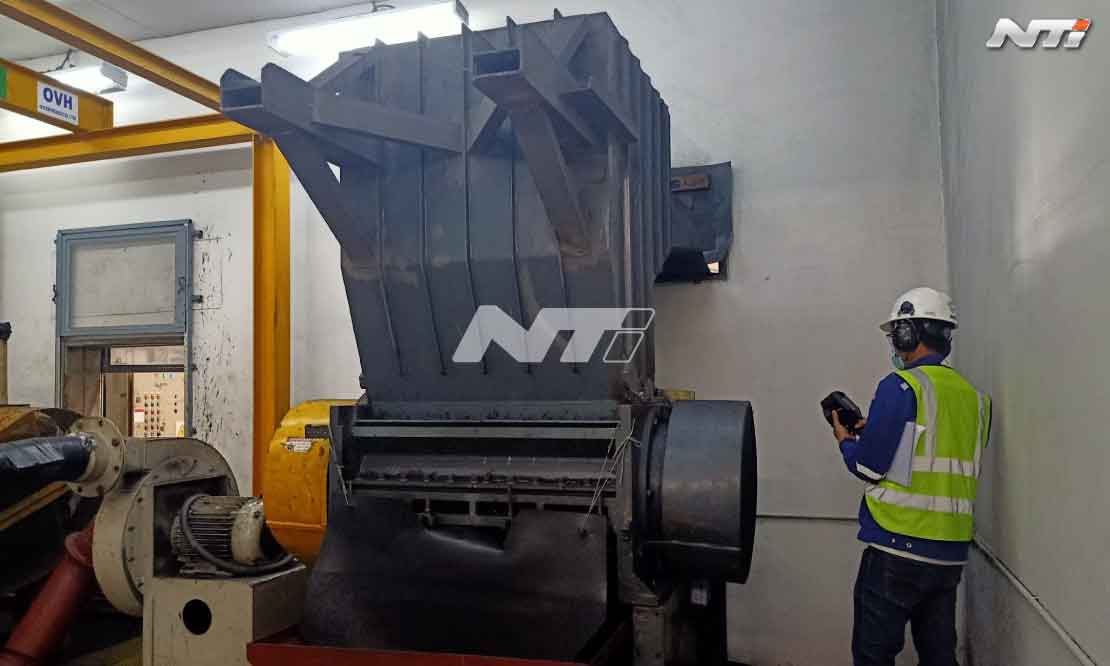
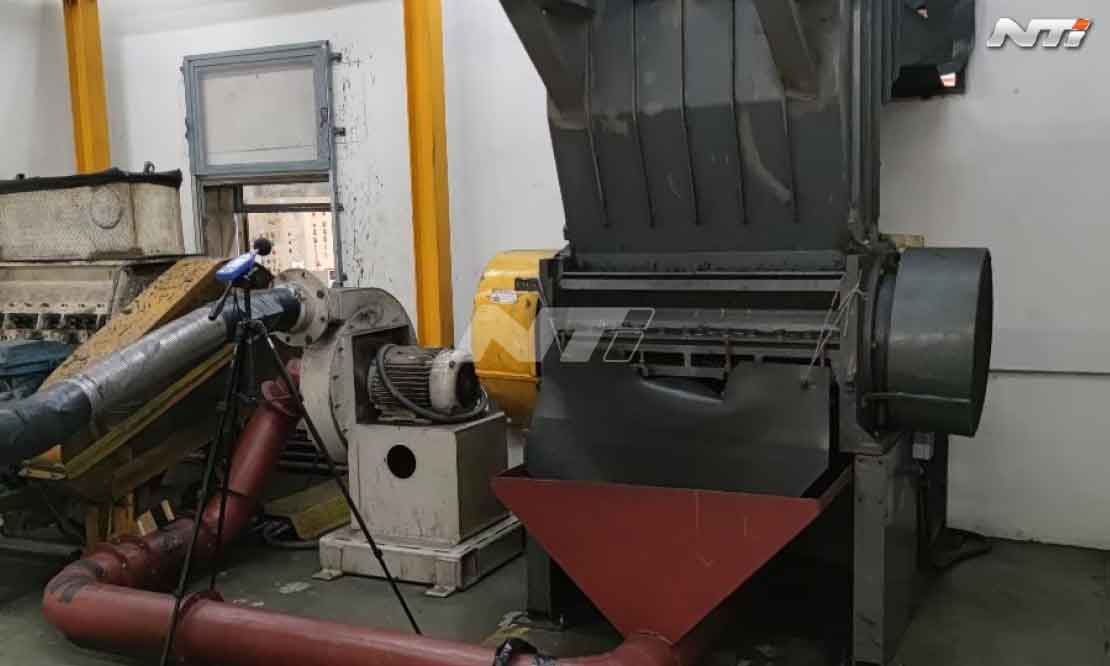
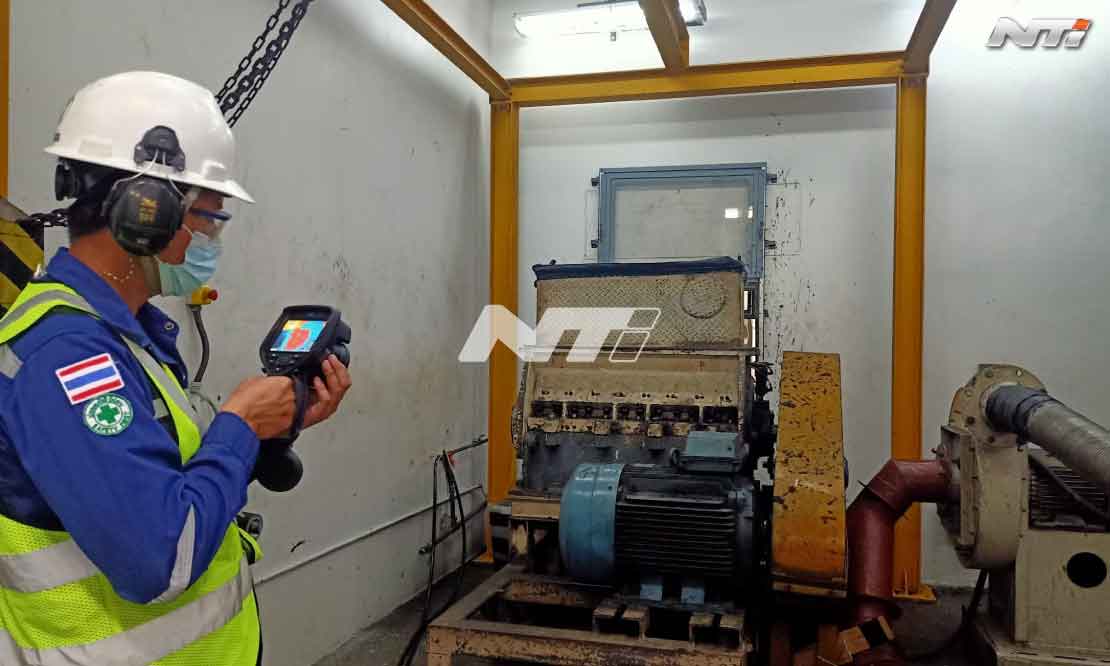
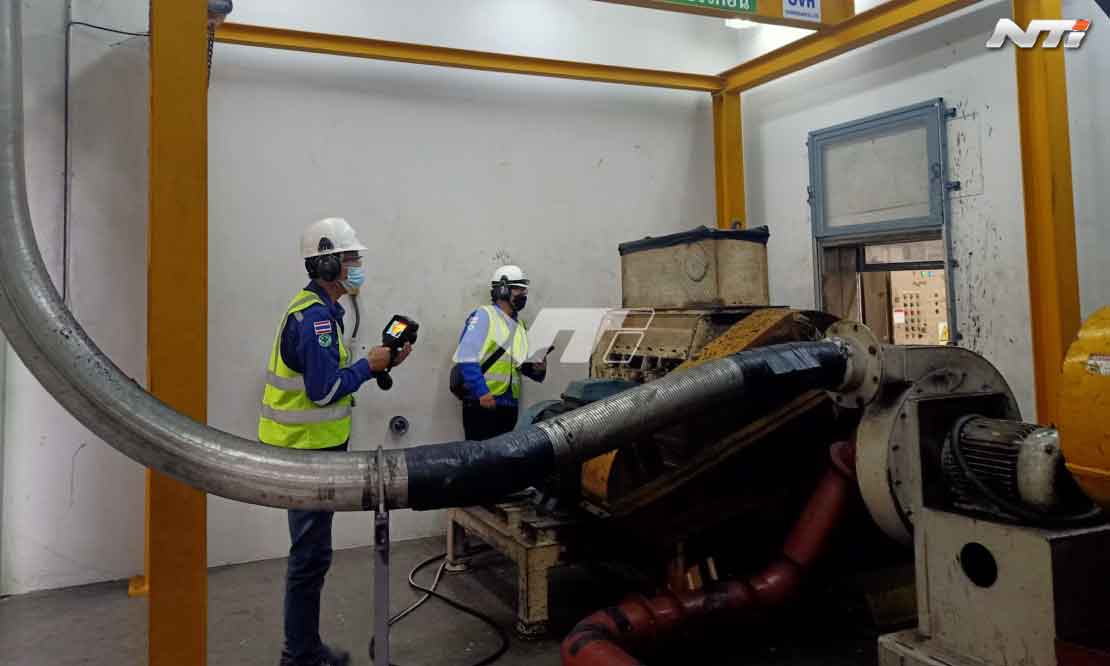
▪ ทางบริษัทได้มีโอกาสไปเป็นที่ปรึกษาโรงงานอุตสาหกรรมแห่งหนึ่ง เรื่องการลดเสียงในพื้นที่ห้องบดย่อยวัสดุ(Crusher) ซึ่งมีประมาณ 6 ตัว ในพื้นที่ประมาณ 150 ตรม. และมีพนง.ทำงานประมาณ 6-10 คน/วัน
▪ หลังจากการเก็บข้อมูลความถี่เสียง ข้อมูลเครื่องจักร และข้อมูลการทำงานในแต่ละวันของพนักงานแล้ว
▪ บริษัทแนะนำ ให้แก้ไขปัญหานี้ที่แหล่งกำเนิด คือให้ลดเสียงที่ตัว Crusher และระบบดูดฝุ่น ซึ่งจะส่งผลให้พนักงานรับเสียง หลังปรับปรุงอยู่ในระดับที่กฎหมายกำหนด
▪ ผ่านไปพักใหญ่ (หลายเดือน) ทางผู้เกี่ยวข้องติดต่อมาแจ้งว่า เจ้านายต้องการที่จะให้ทำประตูกันเสียงบานใหญ่ปิดพื้นที่นั้นไปเลย โดยไม่ต้องไปปรับปรุงที่ตัวเครื่องดังที่บริษัทแนะนำไป
▪ ทางบริษัทก็ได้อธิบายถึงอันตรายที่จะตามมาให้เข้าใจและยืนยันว่าจะไม่ทำให้ตามที่ขอมา เพราะว่า
✓ การทำประตูกันเสียงบานใหญ่ แล้วให้พนักงาน ทำงานอยู่ด้านใน โดยที่ไม่ได้ลดเสียงจากเครื่องบดย่อยจะทำให้ความเข้มเสียงด้านในเพิ่มขึ้น จนอันตรายต่อระบบการได้ยินของพนักงาน
✓ พนักงานเกิดความเครียดจากอุณหภูมิที่เพิ่มขึ้น (Heat Stress) เนื่องจากมีประตูไปปิดกั้นการถ่ายเทอากาศ
✓ หากมีอุบัติเหตุจากการทำงานเกิดขึ้นภายใน คนภายนอกไม่สามารถมองเห็นได้
✓ เป็นการแก้ปัญหาที่ไม่ได้คำนึงถึงหลักความปลอดภัยในการทำงาน
✓ หวังว่าผู้เกี่ยวข้องจะเกลี่ยกล่อมให้เจ้านายเลิกล้มแนวคิดที่อันตรายนี้