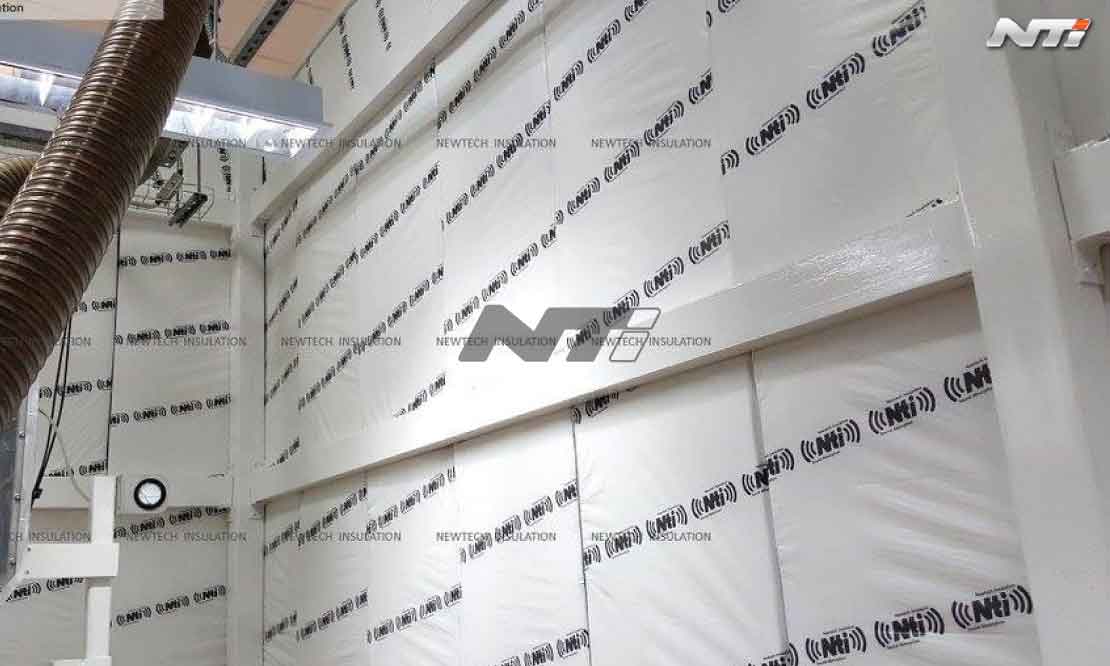
Factors Affecting the Lifespan of Sound Absorption Panels
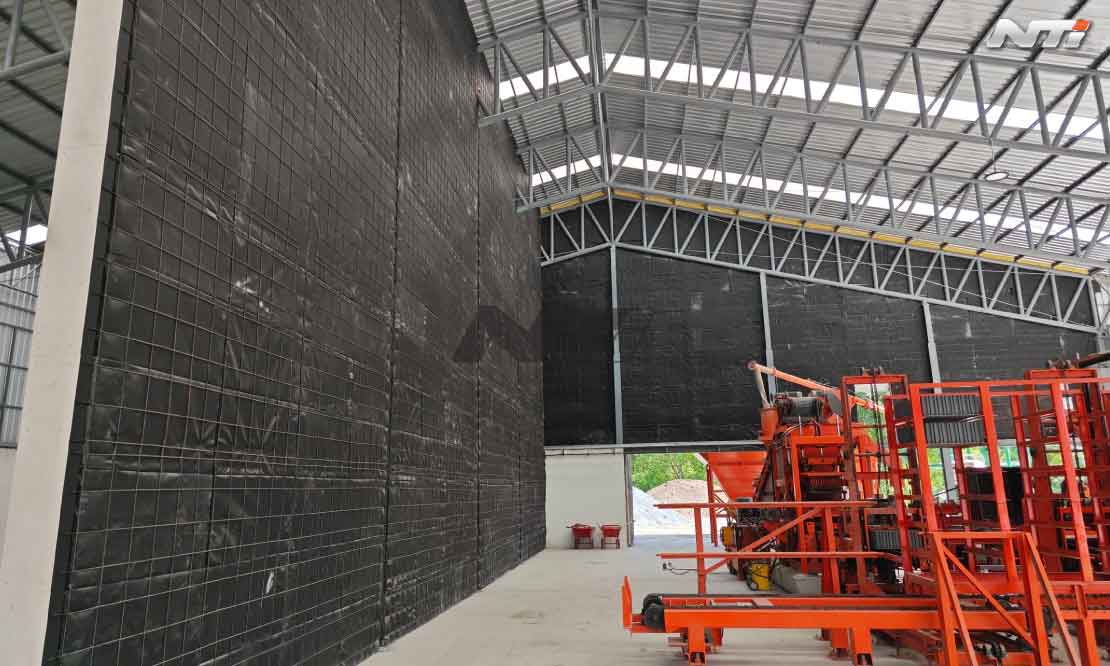
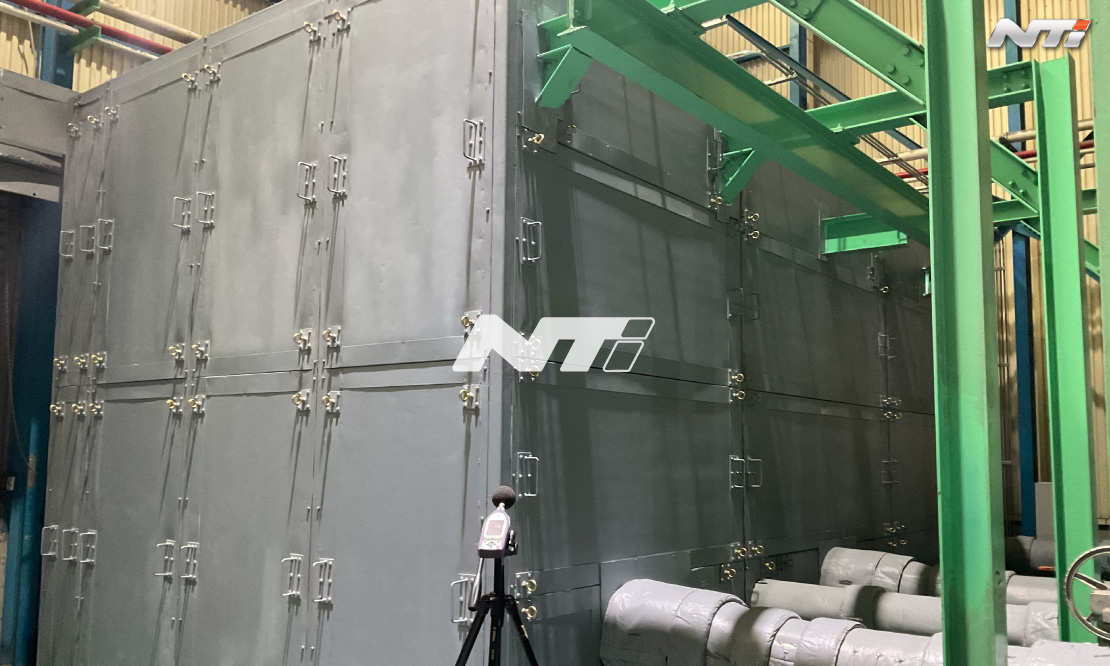
"The lifespan of sound absorption panels depends on various factors, including materials used, installation methods, and exposure to water, dust, chemicals, temperature, and physical impacts. By considering these factors and implementing appropriate preventive measures, the lifespan of sound absorption panels can be extended, depending on the material density. Understanding and managing these factors can help industrial facilities effectively reduce costs related to installation and maintenance of sound absorption panels, ensuring long-term value for their noise control systems."
When industrial facilities need to use sound absorption panels to reduce internal noise levels, estimating the expected lifespan of these panels is a crucial initial consideration.
Factors influencing the lifespan of sound absorption panels include:
1. Water Exposure:
Water exposure significantly affects the lifespan of sound absorption panels. For instance, water leaks from roofs or direct exposure to rain can cause damage. Additionally, routine cleaning procedures involving water can lead to material degradation, such as pressure washing. Proper maintenance and prevention of water exposure are crucial for extending the lifespan of sound absorption panels.
2. Dust Accumulation:
The accumulation of dust on sound absorption panels can reduce their effectiveness over time. Dust can penetrate the material and surfaces, affecting sound absorption properties and decreasing lifespan. Regular cleaning measures and preventive actions are necessary to reduce dust accumulation and extend the panels' useful life.
3. Chemical Exposure:
Chemicals, including acids, bases, engine oils, and greases, can adversely affect sound absorption panels. Exposure to such substances can lead to material degradation, reducing noise reduction capabilities. Implementing protective measures and avoiding contact with hazardous chemicals is essential for ensuring the longevity of sound absorption panels.
4. Temperature and Heat:
Temperature fluctuations and exposure to excessive heat can impact the structural integrity and efficiency of sound absorption panels. High temperatures may cause material deformation, reducing sound absorption effectiveness.
5. Impact or Tearing:
Physical damage from impacts or tearing significantly reduces the lifespan of sound absorption panels. Accidental impacts from forklifts or other machinery can compromise the structure, diminishing performance. Strict safety protocols and careful handling of sound absorption panels are crucial to minimize impact damage and extend their lifespan.
In conclusion, the lifespan of sound absorption panels depends on various factors, including materials used, installation methods, and exposure to water, dust, chemicals, temperature, and physical impacts. By considering these factors and implementing appropriate preventive measures, the lifespan of sound absorption panels can be extended, depending on the material density. Understanding and managing these factors can help industrial facilities continue to reduce costs related to the installation and maintenance of sound absorption panels.