Principle and Reason
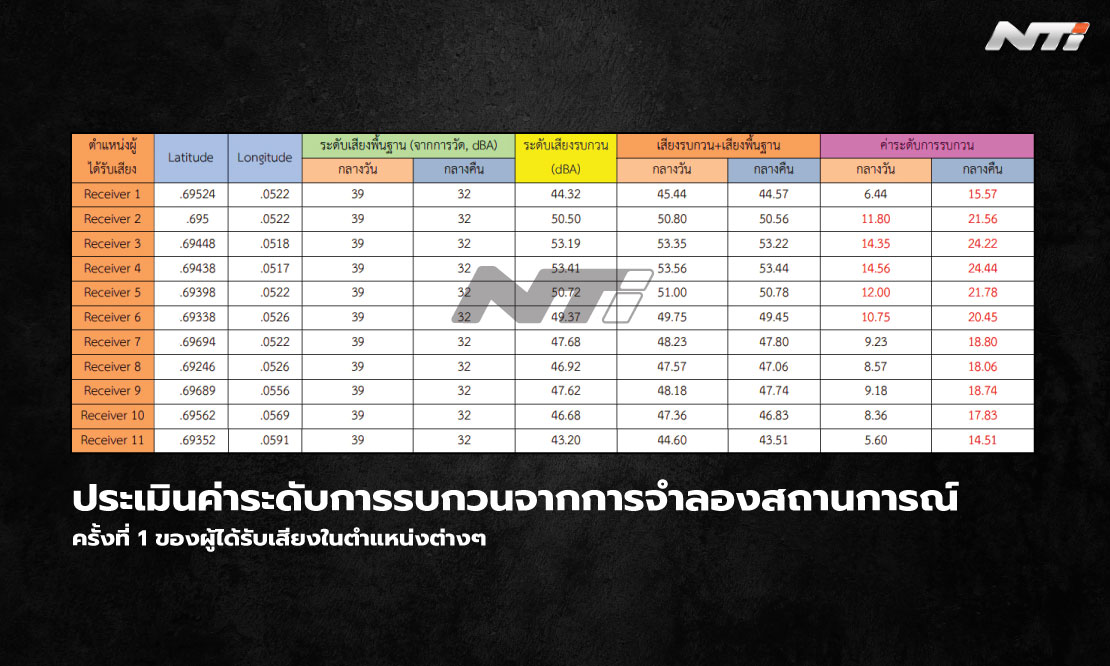
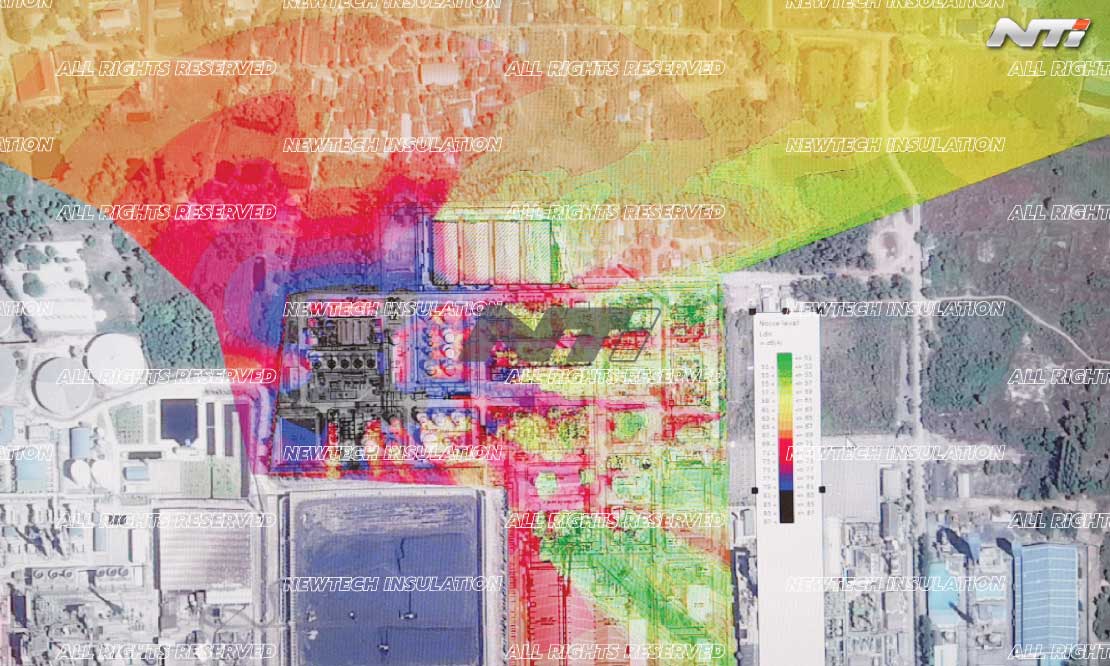
There are various cases of noise pollution problems that are complex, which is why it is difficult to choose a solution quickly. Problems can include a factory that has various noise sources in the area, and those noise sources have different noise characteristics. For instance, some noise sources can have different heights, be a continuous noise or be an intermittent noise. Therefore, noise control requires collecting a large amount of relevant data to best predict the anticipated change in noise levels in various simulation conditions through the use of Noise Simulation Models.
Necessity
Community impulse noise simulation models will be necessary in many cases for noise control planning, such as instances where machinery or the noise source are in operation all of the time. Additionally, these simulation models examine the parameters of a production process that might have occurrences of noise with multiple values and uncertainty. Furthermore, the simulation model is useful if the noise source is next to another similar noise source that makes it challenging to identify which actual noise source is disturbing the community. Therefore, when we have the noise data, we will be able to find links in the problems and deliver solutions in a timely and cost-saving manner.
Working
- Collect noise data in disturbed or affected areas
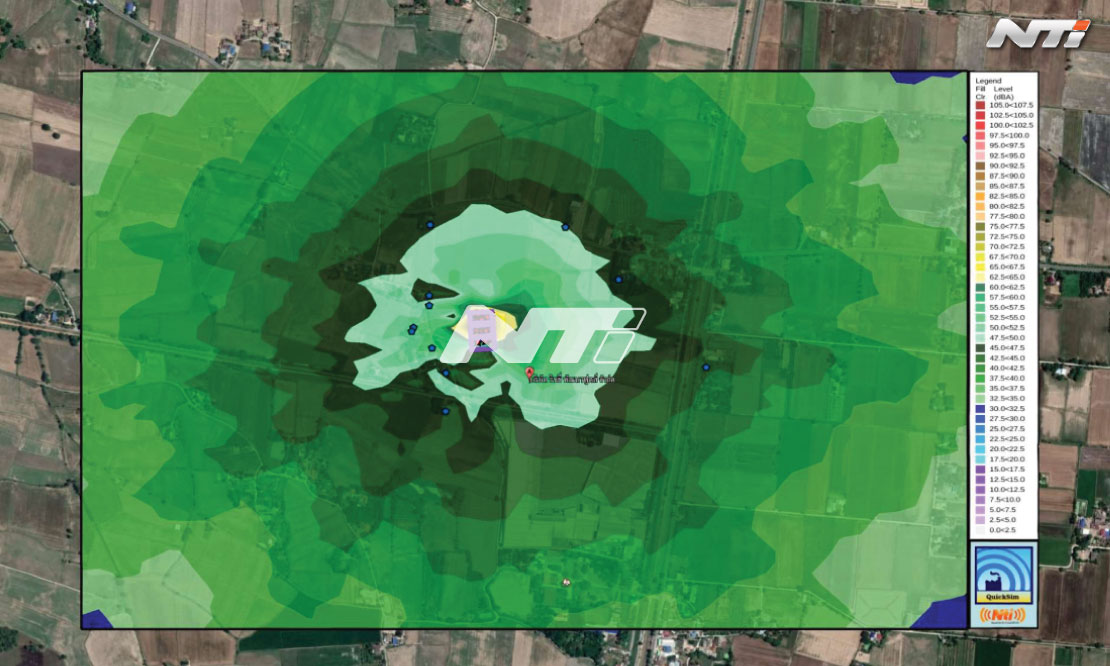
- Create noise contour and octave contour
- Conduct frequencies correlation analysis with noise simulation models
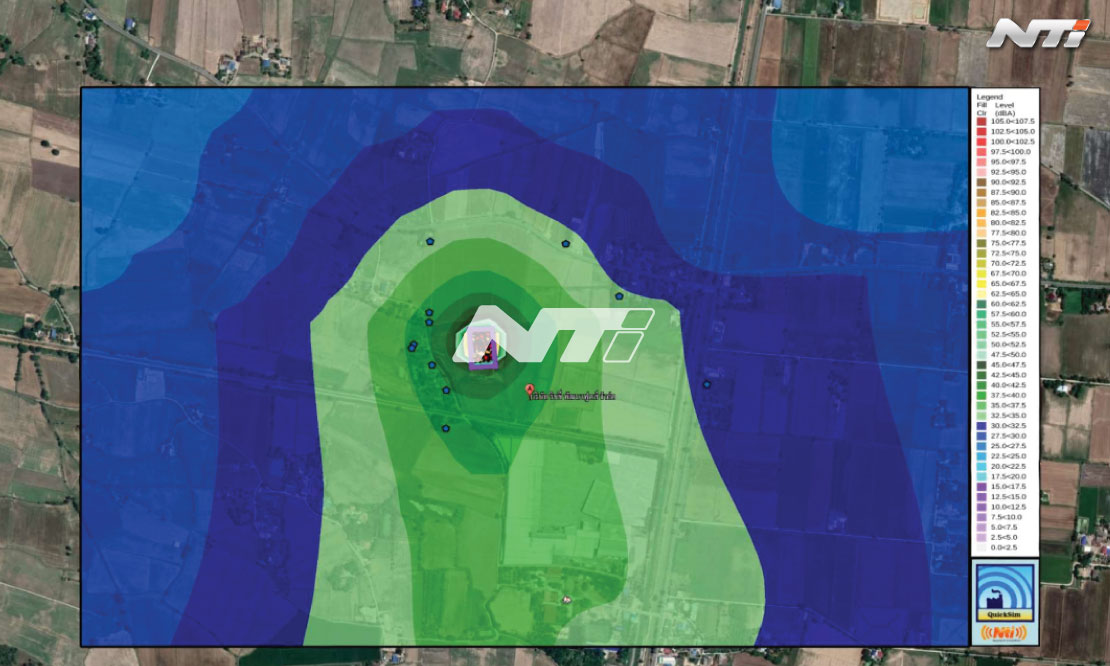
- Compare the simulation results of noise contour before and after the improvement
- Offer a practical noise control method, which fits the problem and the budget
Benefits
- Analysis of base noise level, annoyance level, and noise level at work
- Noise source identification, sound power, and noise characterization
- Noise contour and octave contour to indicate the scope of the problem
- Noise simulation models according to noise control protocol to find the best possible improvement
- Decrease errors in decision-making, solve the problem without any costly trial and error process